
Roof Replacement
Roof Replacement in Cleburne, Texas
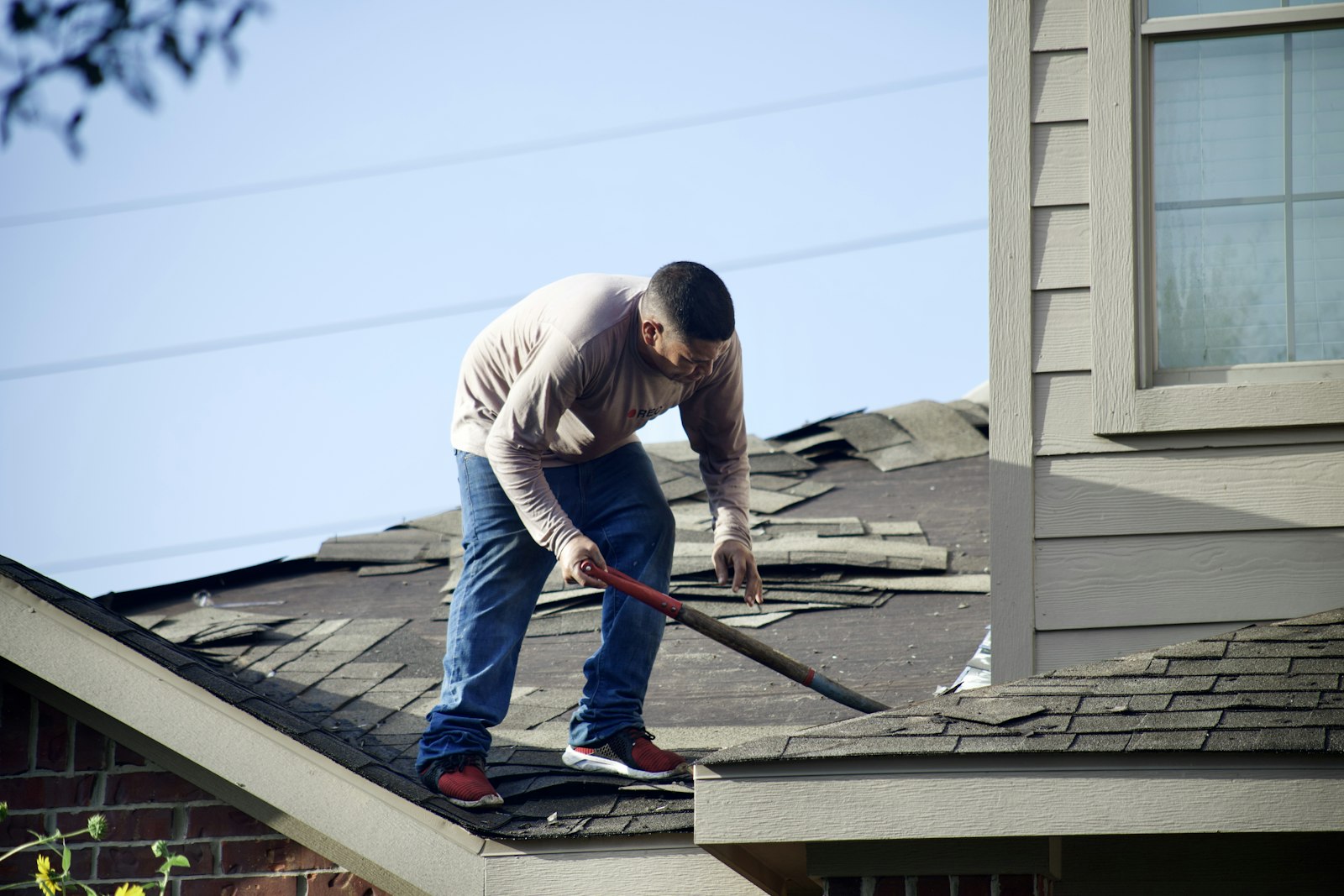
A full tear-off down to the deck, the decking repaired where it needs it, and a new system installed to the manufacturer's specification.
When Replacement Is Actually the Answer
A roof gets replaced for one of two reasons here. It has run out of years, or a storm took what was left of them. Everything else — a lifted ridge cap, a failed pipe boot, a length of valley metal — is a repair, and we will say so.
The difference matters because a replacement is the largest single exterior expense most homeowners make, and it should not be triggered by a sales conversation in a driveway. It should be triggered by an age, a remaining-life estimate and a list of what is wrong.
The scope
What a Replacement Includes
Tear-off to the deck
Every layer comes off. Nothing gets installed over an existing roof, because a second layer hides the decking and shortens the life of what goes on top of it.
Decking inspected and repaired
Once the roof is open, soft or rotten sheathing is visible for the first time. The scope names an allowance for this before work starts, with a per-sheet rate, so a deck problem is a known number rather than a surprise.
Underlayment and the water-concentration detail
Synthetic underlayment across the field, and a self-adhering membrane in valleys and around penetrations where water concentrates.
Drip edge at eaves and rakes
Metal at every edge so runoff goes into the gutter instead of behind the fascia, which is where a surprising share of rotten fascia comes from.
Flashing renewed, not reused
Step flashing at walls, counter flashing at chimneys, new pipe boots. Reused flashing is the most common shortcut on a cheap replacement and the most common source of a leak two years later.
Ventilation checked
Intake at the soffit and exhaust at the ridge have to balance. A new roof over a badly vented attic ages early, and in a North Texas summer it ages early fast.
Cleanup and a magnet pass
Debris hauled off and a magnet run over the drive and the grass before the trailer leaves the property.
What Changes the Number
Square footage and pitch first, then how cut up the roof is — hips, valleys, dormers and penetrations all add labour. After that, layer count, decking condition and the system you choose. A steep, cut-up roof on an older Cleburne house with two layers on it is a different job from a simple gable in a new subdivision of the same square footage, and the scope shows which of those factors is doing the work.
A Note on Build Era
Cleburne's older core, in and around the downtown historic district, has houses with steep roofs, complicated rooflines and hand-built flashing details. Newer construction around the edges of town has simpler planes and factory details. Replacement on the first kind is a slower, more careful job with more flashing work in it; on the second it is usually a clean one-day tear-off. The evaluation tells you which one you are looking at.
Questions
What People Ask About Replacement
We do not. A layover is cheaper on the day and costs more over the life of the roof, and it means nobody ever sees the decking.
Most single-family roofs here are one day. Steep, large or heavily cut-up roofs run to two. The deck never sits open overnight.
Yes, where one is required, and the scope says so rather than leaving it as an assumption.
They come off or get protected, and we will tell you honestly if they are due for replacement rather than quietly damaging them and moving on.
Get a Replacement Scope in Writing
The evaluation comes first: an age, a remaining-life estimate, and a written scope with the decking allowance named before anyone starts.